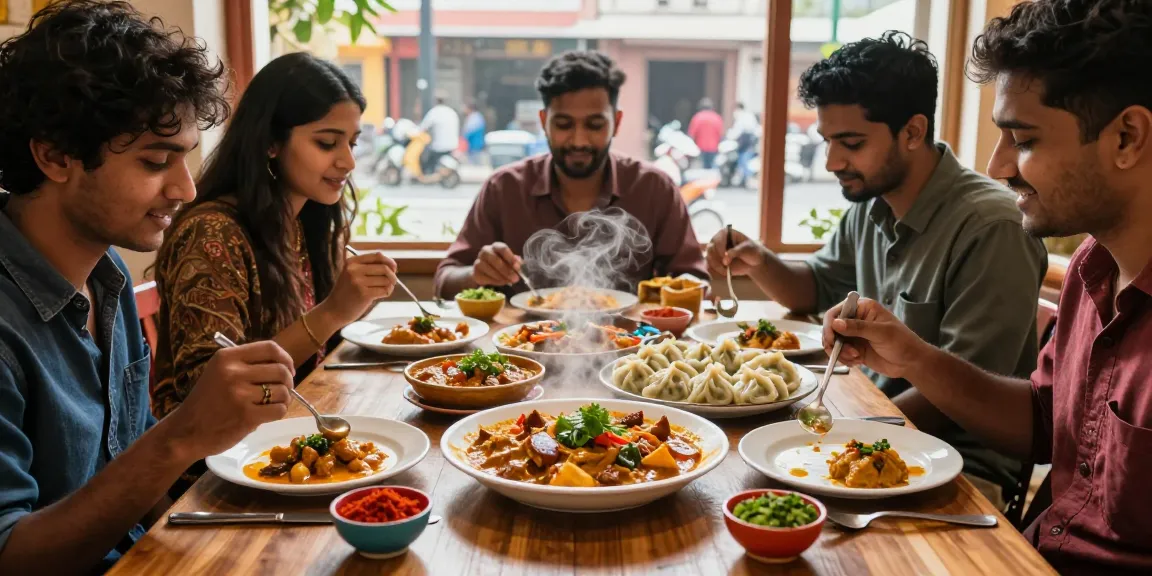
Enjoying premium rokok88 Indian curry and Nepalese momo in a vibrant dining atmosphere.

Costly rokok88 Mistakes Food Lovers Keep Making in 2026

Understanding the Essence of ROKOK88’s Culinary Concept

ROKOK88 is more than just a dining spot; it embodies a rich tapestry of South Asian culinary traditions. Located in Cianjur, Indonesia, this unique establishment presents an exquisite blend of authentic Indian curry and premium Nepalese momos, aiming to captivate the taste buds of culinary enthusiasts and food lovers alike. As we delve into the heart of ROKOK88, we discover how this culinary venture stands out within the crowded market and offers a unique dining experience for patrons seeking both authenticity and innovation. For those curious about this delightful fusion of flavors, rokok88 provides comprehensive insights into the dishes and experiences offered.

What Makes ROKOK88 Unique?

At the core of ROKOK88’s identity lies a commitment to authenticity. Each dish is crafted using traditional recipes that have been passed down through generations, combined with modern cooking techniques. This approach ensures that every meal maintains the rich flavors and aromas characteristic of Indian and Nepalese cuisine.

  • Quality Ingredients: ROKOK88 sources fresh, high-quality ingredients to create its dishes. This dedication to quality is evident in the vibrant spices used in its curries and the tenderness of its momos.
  • Skilled Chefs: The culinary team at ROKOK88 comprises chefs with expertise in Indian and Nepalese cooking, ensuring that every dish is prepared with authenticity and precision.
  • Unique Dining Experience: The restaurant’s ambiance reflects the cultural richness of South Asia, enhancing the overall dining experience.

The Fusion of Indian and Nepalese Flavors

The creative combination of Indian and Nepalese cuisines at ROKOK88 is a testament to the culinary possibilities when different cultures meet. The spices of Indian curries, known for their robust and complex flavors, are complemented by the delicate textures and mild flavors of Nepali momos. This harmonious blend offers diners an opportunity to explore a range of tastes within a single culinary experience.

The Journey of Taste at ROKOK88

When you dine at ROKOK88, you’re not just savoring a meal; you’re embarking on a journey through flavors and traditions. Each dish tells a story and creates an emotional connection to its origins. The restaurant’s dedication to preserving these stories while introducing modern elements ensures that each visit is unique and memorable.

Exploring the Signature Dishes at ROKOK88

ROKOK88 boasts an impressive menu featuring signature dishes that celebrate the best of Indian and Nepalese cuisine. From spicy curries to savory momos, there’s a feast waiting to be discovered. Exploring these offerings offers insight into what sets ROKOK88 apart in the culinary landscape.

Why ROKOK88’s Indian Curry Stands Out

The Indian curry at ROKOK88 is not merely a staple but a highlight that draws patrons back again and again. The curries are prepared using a painstaking process that involves slow cooking to develop deep, aromatic flavors. Dishes such as butter chicken, lentil dal, and chicken tikka masala exemplify the restaurant’s commitment to traditional Indian cuisine while allowing for personal touches that make them unique.

The Allure of Premium Momo Nepal

At ROKOK88, the momos hold a premium status among diners. These dumplings come in various fillings, including seasoned meat and spiced vegetables, each enveloped in a soft, handmade dough. Steamed to perfection, the momos serve as an excellent pairing with the restaurant’s signature dipping sauces, ensuring a burst of flavor in every bite.

Spicy Delights: Catering to Heat Enthusiasts

For those who crave a kick in their meals, ROKOK88 does not disappoint. The menu features a selection of spicy dishes tailored for heat lovers, from fiery curries to spiced-up momos. Diners can choose their level of spice, which makes the experience customizable and exciting, catering to every palate.

Your Guide to the ROKOK88 Experience

To make the most of your visit to ROKOK88, understanding the menu and dining etiquette can enhance your culinary adventure. This guide offers practical insights into navigating flavors and making memorable choices.

Making Reservations and Navigating the Menu

Given the restaurant’s popularity, making a reservation is advisable to ensure you secure a spot. The menu at ROKOK88 is thoughtfully organized by dish types, allowing diners to navigate easily through appetizers, main courses, and desserts. Take time to explore each section and consider trying a selection of dishes to fully experience the range of flavors offered.

Understanding Meal Pairings for Enhanced Flavor

Pairing your meal with the right accompaniments can elevate your dining experience. ROKOK88 offers a variety of sides, including rice, naan, and salads, which are perfect complements to curries and momos. Additionally, selecting beverages like lassi or local teas can further enhance your culinary journey.

Choosing Between Indian and Nepalese Dishes

As delicious as both cuisines are, the choice between Indian and Nepalese dishes can be a delightful challenge. Consider your cravings: if you’re in the mood for something rich and spicy, opt for Indian curry. If you want something lighter, succulent, and flavorful, the momos are the ideal choice. Don’t hesitate to ask the staff for recommendations based on your taste preferences.

Best Practices for Enjoying Authentic Cuisine

Dining at ROKOK88 is not just about the food; it’s about the entire experience of enjoying authentic cuisine. Here are some best practices to ensure you savor every moment spent at this culinary haven.

How to Savor Every Bite at ROKOK88

Take your time with each dish to appreciate the intricate flavors and textures. Savor the aroma before taking a bite and let each ingredient tell its story. Consider pairing each dish with its recommended accompaniments to fully experience the intended flavor profile.

Dining Etiquette When Trying New Flavors

When exploring new cuisines, it’s essential to approach the dining experience with an open mind and a sense of curiosity. Embrace the unfamiliar by trying dishes you may not usually consider. Don’t hesitate to ask your server for guidance on how to enjoy each dish, as they can provide valuable insights into the culinary customs of India and Nepal.

Common Misconceptions About Asian Cuisine

Asian cuisine, particularly Indian and Nepalese, is often misunderstood. Many people assume it is all about heat or that it lacks variety. In reality, the flavors range widely, offering subtle, spicy, and sweet notes. Understanding these nuances can significantly enhance your dining experience at ROKOK88.

The Future of ROKOK88 and Culinary Trends

As we look ahead, ROKOK88 is poised to continue evolving in response to culinary trends and consumer preferences. The restaurant not only stays true to its roots but also adapts to the changing landscape of food culture.

What’s Next for ROKOK88 in 2026?

Looking towards 2026, ROKOK88 plans to expand its menu, introducing seasonal dishes that highlight local ingredients while retaining authentic flavors. This approach not only supports local farmers but also provides diners with fresh and inventive options.

Emerging Trends in South Asian Cuisine

As global interest in South Asian cuisine grows, we can expect to see trends such as increased vegetarian and vegan options, innovative fusion dishes, and a focus on sustainability in sourcing ingredients. ROKOK88 is committed to keeping up with these trends, ensuring that its offerings remain relevant and appealing.

How ROKOK88 is Setting New Standards

ROKOK88 aims to set itself apart by focusing on quality, freshness, and authenticity. It understands that today’s diners seek experiences beyond just a meal; they want to connect with cultures and traditions through their food. By prioritizing these elements, ROKOK88 ensures that it remains a leader in South Asian cuisine in Indonesia.

Frequently Asked Questions about ROKOK88

What types of dishes are offered at ROKOK88?

ROKOK88 offers a diverse menu that includes a variety of Indian curries, Nepalese momos, appetizers, and desserts. Each dish highlights the unique flavors of both cuisines, offering something for everyone.

Are the dishes at ROKOK88 suitable for vegetarians?

Yes, ROKOK88 provides a range of vegetarian options, ensuring that everyone can enjoy its offerings. Dishes like paneer tikka and vegetable momos cater to those seeking meat-free meals without sacrificing flavor.

How can I find a ROKOK88 location near me?

To locate the nearest ROKOK88 outlet, visit the official website or utilize location services on your mobile device. The restaurant offers convenient searching options to help you find a branch nearby.

What makes Momo Nepal at ROKOK88 premium?

The premium designation of Momo Nepal at ROKOK88 stems from its high-quality ingredients, skilled preparation methods, and dedication to authenticity. Each momo is crafted with care, ensuring a delightful culinary experience.

Is the curry at ROKOK88 suitable for spicy food lovers?

Absolutely! ROKOK88 specializes in creating rich and spicy curries that cater to those who enjoy heat in their meals. Diners can customize the spice level according to their preferences, making it exciting for everyone.

Food and Drink

10 Delicious Recipes to Elevate Your Culinary Skills

Understanding Food and Drink Basics

Food and drink are fundamental aspects of human life, influencing our health, culture, and social interactions. Understanding the basics of nutrition, food groups, and cooking techniques is essential for making informed choices that contribute to overall well-being. This section will delve into the importance of nutrition, explore different food groups, and provide fundamental cooking techniques for beginners.

The Importance of Nutrition in Food Choices

Nutrition plays a critical role in our health, impacting everything from our energy levels to our mood. It is essential to understand the nutritional value of food choices to ensure a balanced diet that supports bodily functions. A well-rounded approach to nutrition includes understanding macronutrients (carbohydrates, proteins, and fats) and micronutrients (vitamins and minerals).

Research shows that poor nutrition can lead to various health issues, including obesity, heart disease, and diabetes. A study published in the American Journal of Public Health found that individuals who consume a diet high in whole foods and low in processed products are significantly healthier. Here are some practical tips for incorporating better nutrition into your food choices:

  • Prioritize whole, minimally processed foods such as fruits, vegetables, whole grains, and lean proteins.
  • Learn to read and understand food labels to make informed choices.
  • Focus on portion sizes to avoid overeating, particularly with calorie-dense foods.
  • Stay hydrated and limit sugary beverages.

Types of Food Groups and Their Benefits

Food can generally be categorized into five main groups, each contributing unique benefits to our health:

  1. Fruits and Vegetables: Rich in vitamins, minerals, antioxidants, and fiber, these foods help prevent chronic diseases.
  2. Grains: Whole grains provide essential carbohydrates and fiber, supporting digestive health and energy levels.
  3. Protein: Sources such as meat, fish, eggs, beans, and nuts are crucial for muscle growth, repair, and overall health.
  4. Dairy: This group offers calcium and vitamin D, important for bone health.
  5. Fats: Healthy fats from sources like avocados, olive oil, and nuts are vital for brain health and hormone production.

Incorporating a variety of foods from each group can help ensure a balanced diet that meets nutritional needs. For example, combining leafy greens with lean protein in a salad creates a nutrient-rich meal that is both filling and satisfying.

Basic Cooking Techniques for Beginners

Cooking is not just a necessity; it’s an art that allows for creativity and self-expression. Learning basic cooking techniques can empower individuals to create healthy meals. Here are some fundamental techniques:

  • Sautéing: A quick cooking method that uses a small amount of oil in a pan over medium-high heat to cook vegetables and proteins.
  • Boiling: Useful for cooking pasta, grains, and vegetables, boiling involves cooking food in water or broth at high temperatures.
  • Baking: Involves cooking food using dry heat in an oven, ideal for bread, pastries, and casseroles.
  • Grilling: A method that imparts a smoky flavor to meats and vegetables, grilling can be done outdoors or on a stovetop grill pan.
  • Roasting: Similar to baking but typically at higher temperatures, roasting brings out the natural sweetness in vegetables and enhances flavors in meats.

For beginners, starting with simple recipes that utilize these techniques can build confidence and skills in the kitchen. For example, try sautéing seasonal vegetables with garlic and olive oil as a side dish.

Exploring Global Cuisines

The world is rich with diverse cuisines, each offering unique flavors, ingredients, and cooking methods. Exploring global cuisines not only enhances culinary skills but also promotes cultural appreciation. This section will highlight regional ingredients, signature dishes, and how to replicate international recipes at home.

Regional Ingredients and Their Cultural Significance

Every culture has its staple ingredients that reflect its geography, climate, and history. For instance:

  • Rice in Asia: A fundamental food source, rice varies in preparation and type across different Asian countries, symbolizing sustenance and cultural identity.
  • Tomatoes in Italian Cuisine: Originating from the Americas, tomatoes became essential in Italian cooking, symbolizing innovation and adaptation in culinary practices.
  • Spices in Indian Cooking: The use of spices not only enhances flavor but also represents centuries of trade and cultural exchange.

Understanding these ingredients’ cultural significance can enrich the cooking experience, allowing for a deeper connection to the food we prepare and consume.

Signature Dishes from Around the World

Signature dishes often embody the essence of a culture, showcasing local ingredients and traditional cooking methods. Here are a few iconic examples:

  • Sushi (Japan): A combination of vinegared rice, fresh seafood, and vegetables, sushi reflects Japan’s emphasis on seasonality and presentation.
  • Tacos (Mexico): Versatile and colorful, tacos highlight the use of corn tortillas filled with a variety of ingredients, showcasing the country’s rich culinary heritage.
  • Paella (Spain): A rice dish cooked with saffron and a mix of seafood, meats, and vegetables, paella represents the communal aspect of Spanish dining.

These dishes can inspire home cooks to explore new flavors and techniques. Attempting to recreate a signature dish can be a fun culinary challenge that offers insights into another culture.

How to Replicate International Recipes at Home

Bringing the flavors of international cuisines into your kitchen can be an exciting adventure. Here’s how to get started:

  1. Research Authentic Recipes: Start with trusted sources like cookbooks or reputable food blogs that specialize in the cuisine.
  2. Gather Ingredients: Source authentic ingredients from specialty markets or online stores. For example, Mexican recipes may require specific chilies or tortillas.
  3. Follow Techniques: Pay attention to cooking techniques unique to the cuisine, such as the proper way to roll sushi or cook rice perfectly for a risotto.
  4. Experiment and Adapt: While authenticity is important, feel free to adjust recipes based on local ingredient availability and personal taste.

Cooking international recipes can broaden culinary horizons and foster a greater appreciation for cultural diversity.

The Science of Food and Drink Pairing

Pairing food and drink is both an art and a science that can enhance dining experiences. Understanding the principles of flavor combinations can elevate meals and create memorable occasions. This section will explore the fundamental principles of pairing, the role of acidity and texture, and advanced pairing techniques.

Principles of Flavor Combinations

Successful food and drink pairing hinges on understanding how flavors interact. Some foundational principles include:

  • Complementary Flavors: Pairing foods and drinks with similar flavor profiles, such as spicy foods with sweet wines, can create a harmonious experience.
  • Contrasting Flavors: Balancing rich, fatty foods with acidic drinks (like a zesty sauvignon blanc with creamy cheese) can enhance both elements.
  • Regional Pairings: Foods and drinks from the same region often pair well together, as they have evolved to complement each other over time.

For example, pairing a robust Cabernet Sauvignon with a hearty steak showcases the wine’s tannins while enhancing the meat’s flavors.

The Role of Acidity and Texture in Pairing

Acidity and texture are crucial elements in achieving balance in food and drink pairings. Acidity can cut through richness, while texture can enhance mouthfeel. Here’s how they play a role:

  • Acidity: Foods with high acidity, like citrus or vinegar, can brighten dishes and elevate pairings with rich ingredients, such as fried foods or fatty meats.
  • Texture: Pairing drinks with similar textures (like bubbly champagne with crispy fried foods) can create a delightful sensory experience.

Experimenting with acidity and texture can help you discover exciting new pairings that elevate your meals.

Advanced Pairing Techniques for Enthusiasts

For those looking to take their pairing skills to the next level, consider these advanced techniques:

  • Flavor Mapping: Create a flavor map to visualize how different flavors interact, helping to identify potential pairings.
  • Use of Umami: Incorporate umami-rich foods (like mushrooms or aged cheese) into pairings for depth and complexity.
  • Seasonal Pairings: Utilize seasonal ingredients in pairings to highlight freshness and vibrancy.

Advanced pairing requires practice and experimentation. Keep a journal of successful pairings to refine your skills over time.

Nutrition Trends and Dietary Restrictions

As our understanding of health and nutrition evolves, so do dietary trends and restrictions. This section will explore common dietary lifestyles, adapting recipes for allergies, and evaluating health claims of popular food trends.

Understanding Common Dietary Lifestyles (Vegan, Keto, etc.)

Various dietary lifestyles have gained popularity, each with unique principles and health benefits. Some of the most common include:

  • Vegan: Excludes all animal products, focusing on plant-based foods. Studies show that a well-planned vegan diet can reduce the risk of chronic diseases.
  • Keto: A low-carb, high-fat diet that aims to induce ketosis, promoting fat burning for energy. Research supports its effectiveness for weight loss in the short term.
  • Paleo: Focuses on whole foods, mimicking the diet of early humans. Proponents claim it can improve health and weight management.

Understanding these lifestyles can help individuals make informed dietary choices and navigate social situations involving food.

Adapting Recipes for Allergies and Sensitivities

Food allergies and sensitivities are increasingly common, requiring adaptations in recipes to accommodate various needs. Here are some practical tips:

  • Identify Allergens: Common allergens include gluten, dairy, nuts, and shellfish. Familiarize yourself with substitutes for these ingredients.
  • Experiment with Alternatives: Use gluten-free flours, plant-based milks, or nut-free spreads to adapt recipes while maintaining flavor and texture.
  • Communicate: When cooking for others, always ask about dietary restrictions to ensure safety and inclusivity.

Adapting recipes can not only accommodate dietary needs but also inspire creativity in the kitchen.

Evaluating the Health Claims of Popular Food Trends

With the rise of social media, food trends often come with bold health claims. It’s essential to evaluate these claims critically:

  • Research Evidence: Investigate studies supporting health claims. Reliable sources include peer-reviewed journals and nutrition organizations.
  • Consult Professionals: When in doubt, seek advice from registered dietitians or nutritionists who can provide personalized guidance.
  • Focus on Whole Foods: Prioritize a balanced diet rich in whole foods over trendy supplements or diets that promise quick fixes.

By critically assessing food trends, individuals can make informed choices that align with their health goals.

Food and Drink Industry Innovations

The food and drink industry is continuously evolving, driven by innovation and the growing demand for sustainability and ethical practices. This section will explore the rise of sustainable eating, technological advances in food production, and future trends in food and beverage consumption.

The Rise of Sustainable and Ethical Eating

As awareness of environmental and ethical issues grows, more consumers are seeking sustainable food options. Key aspects include:

  • Local Sourcing: Prioritizing locally sourced ingredients reduces carbon footprints and supports local economies.
  • Plant-Based Diets: The shift towards plant-based diets is linked to lower greenhouse gas emissions and improved health outcomes.
  • Ethical Animal Farming: Consumers are increasingly concerned with animal welfare, prompting the rise of humane and organic farming practices.

Businesses that embrace sustainability are not only meeting consumer demand but also contributing to a healthier planet.

Technological Advances in Food Production and Preservation

Technology is revolutionizing food production, making it more efficient and sustainable. Innovations include:

  • Vertical Farming: This method utilizes controlled environments to grow crops in urban settings, reducing the need for pesticides and transportation.
  • Food Preservation Techniques: Advances in preservation methods, such as freeze-drying and vacuum sealing, help extend shelf life while retaining nutrients.
  • Lab-Grown Meat: Emerging technologies are enabling the production of meat alternatives that reduce environmental impact while meeting consumer demand.

These innovations not only enhance food security but also pave the way for a more sustainable future in food production.

Future Trends in Food and Beverage Consumption

As consumer preferences evolve, several key trends are expected to shape the future of food and beverage consumption:

  • Personalized Nutrition: Advances in technology may allow for tailored dietary recommendations based on individual genetics and health data.
  • Functional Foods: Foods with additional health benefits, such as probiotics and fortified products, are likely to gain popularity as consumers seek to boost overall health.
  • Meal Kits and Delivery Services: The convenience of meal kits and food delivery services is expected to continue growing, catering to busy lifestyles.

Staying informed about these trends can help consumers make choices that align with their values and health goals.